Culling the Herd
An Argument for Expansion of the Death Penalty in America

Our cultural decay takes many forms. Some see it in our art and architecture. For some, the breakdown in manners and niceties between us is an indicator. I think that the surest sign of our cultural decline is how unsafe we find our communities. In every city, madmen stalk the streets at all hours. Mental and emotional defects proliferate, as those who hurt and abuse those in their life go unpunished. Vicious thugs kill one another with impunity, and all too often their violence spills out and brings grief and tragedy to innocents. Our civilization, once the envy of the world, is a sick and dying thing. Our renaissance will need to take many forms: cultural, spiritual, martial, and technological. But one thing must be done before any large-scale improvements can be made, because our entire culture is hamstrung by human detritus. We must clean up our ranks, and the surest way to do this is through swift, consistent, and frequent use of executions. In a perfect world we could live like our ancestors: punishments might be harsh and swift, but they would be rare, because our shared cultural bonds would mean that each man understood what was expected of him. Unfortunately, we do not currently live in such a world. Mass immigration, cultural decay, and the utter collapse of our spiritual lives have led to social chaos. The only way to remedy this is through harsh punishments.

Immediate Benefits
The benefits of the increased application of the death penalty would be immediate. First, there would be a chilling effect on the behaviors of that particular species of sane, but vicious criminal. Most men who commit crimes against us are not insane. In fact, most are rational and act in their perceived self-interest. What they lack is empathy, forethought, and self-control. But even the most simple-minded Black man is afraid of death. Second, the ever-increasing number of the truly insane will be culled. If a man is so mad that even in the face of certain execution he abuses those around him, well then nothing can ever be done with him but to kill him. Finally, these executions will provide something that our civilization has been sorely lacking for generations: justice, true justice, and the idea that our leaders are the types to give it to us. I think that at this point, the time has passed out of living memory when people still thought that their government could be expected to care for them and protect them, and to put our interests at the center of their actions. This rift between us will take generations to restore, but an important step would be for the public to see clear, decisive actions taken for our benefit.
Common Arguments Opposed
The arguments against the death penalty generally take one of three forms: a belief that killing of any kind is wrong, a lack of faith in an institution to carry it out fairly, or the disbelief that execution prevents crime. There are many variations on these forms, but most of them can be distilled to some variation on those three arguments. I’ll take them each in turn.
First, the idea that killing is wrong in all its forms, is what I like to think of as bumper sticker logic. By that I mean that no real thought has been applied to it, but rather it’s a conclusion reached through emotion and feelings, and once the conclusion has been reached, no more thought is applied to it. No second- or third-degree consequences are considered. No history is consulted. No regard is given to the depths of human depravity or the wreckage that such depravity brings to innocents; rather, the proponent of bumper sticker logic shies away from even considering such ugly truths. The truth is that killing is not inherently immoral, and our culture accepts it in many different ways. We might not like to think about it - certainly the bumper sticker logician does not - but that doesn’t change the fact that we do so. We have been on a war footing for generations and have killed literally countless people in foreign lands, yet in only the most extreme circumstances are our soldiers and sailors said to have committed a crime. We collectively raised the speed limits on our roads all throughout the country, knowing that it would lead to an increase in motorist deaths, to allow us to move about more quickly. In every state, we allow abortion at any stage of pregnancy to save the life of the mother. I’m not arguing for or against any of these actions, but merely pointing out that these (and many others) indicate a willingness to kill for profit, convenience, or to save another’s life who we hold to have higher value.
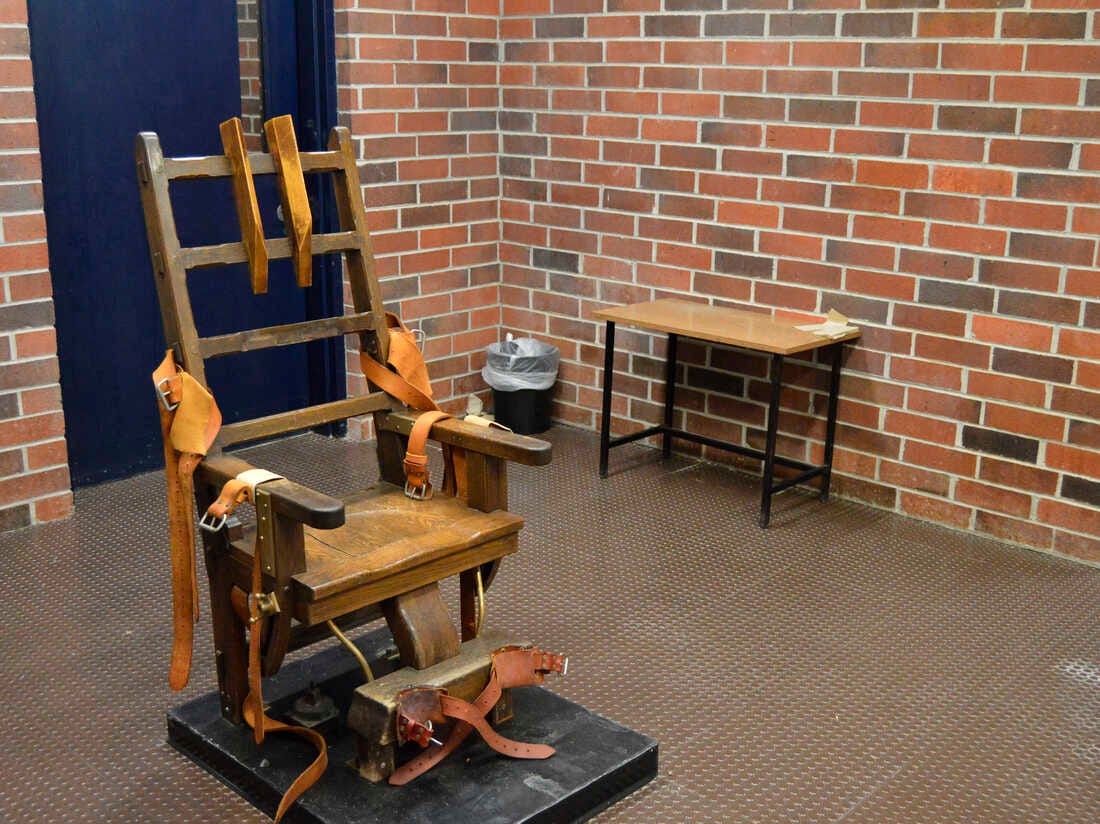
The second argument against the death penalty is a distrust of our government to carry it out in a fair or effective manner. This fear takes many forms: an accidental execution of an innocent man, use of an unnecessarily cruel form of execution, or an unequal application of the punishment based on racial or political prejudices. These are real concerns. I personally loath the government in all its forms and don’t trust it to act for my benefit under most circumstances. There are also many examples in history of governments who either apply the death penalty en masse to many thousands of innocents, or who use needlessly cruel methods of execution. All I can say to these arguments is: first, fear of the likelihood that things might go awry should be considered before acting, but it can no longer be used to prevent any actions at all; and second, clear and well-understood restrictions need to be put in place to try and prevent these abuses from happening, knowing that such restrictions are not perfect and might still be occasionally trampled by a vicious government. Our current legal system already has all of the failsafes in place: a jury of our peers, the right to counsel, the need for overwhelming evidence, to name just a few. We could also lay out strict and clear guidelines for what type of executions are allowed and forbid by exclusion anything else. A reasonable list of methods might be:
hanging
firing squad
electrocution
the gas chamber
lethal injection.
These measures would not be perfect, but their instatement (and more importantly, their actual application) would go a long way towards alleviating the public’s understandable concerns.
Finally, the belief that the death penalty will not prevent crimes generally stems from a belief that criminals are so insane or have such terrible judgement that they do not consider the consequences of their actions. To this I only need to offer two counterarguments. First: even the most vicious person, if they are sane, will act in their own benefit and will seek to avoid physical harm. They are not just as likely to jump off a building as to eat an ice cream cone, for instance. Secondly, if someone is so wild or unhinged that they truly act with no concern for the consequences, then killing them is a benefit to all of society, and the sooner we are rid of them, the better.
Putting it into Practice
My proposal would take two forms. First and most importantly, a change in the manner and rapidity in how we apply the death penalty. No more years of appeals and stays. The average death row inmate spends 10 years waiting for his execution. This is a clear misapplication of justice. It prolongs the suffering of those friends and family members who deserve to know that justice has been done. It costs the taxpayers a small fortune. It wastes the time and resources of the judicial system. It grants the convicted an unearned degree of respect and honor that he does not deserve. In my new system, the accused would be allowed the full due process: a trial, jury of their peers, representation by a lawyer. Upon conviction, they would be allowed a single appeal that must be addressed within one month. If the appeal is denied, then their execution will be immediate. By “immediate”, I mean within the day. There is no benefit in dragging out the process.
Secondly, the types of crimes that warrant the death penalty would be widened. Currently, for no logical or moral reason, we’ve limited execution to only murderers of the most vicious or senseless type. It’s my belief that this should be expanded to the following crimes:
all murder - as in, the unlawful, intentional killing of another human
rape
sexual abuse of a minor
illegal entry into the United States
dealing drugs classified as schedule I or II
treason - as in, betraying the United States or putting the needs of another country ahead of it, either for personal gain or for ideological reasons
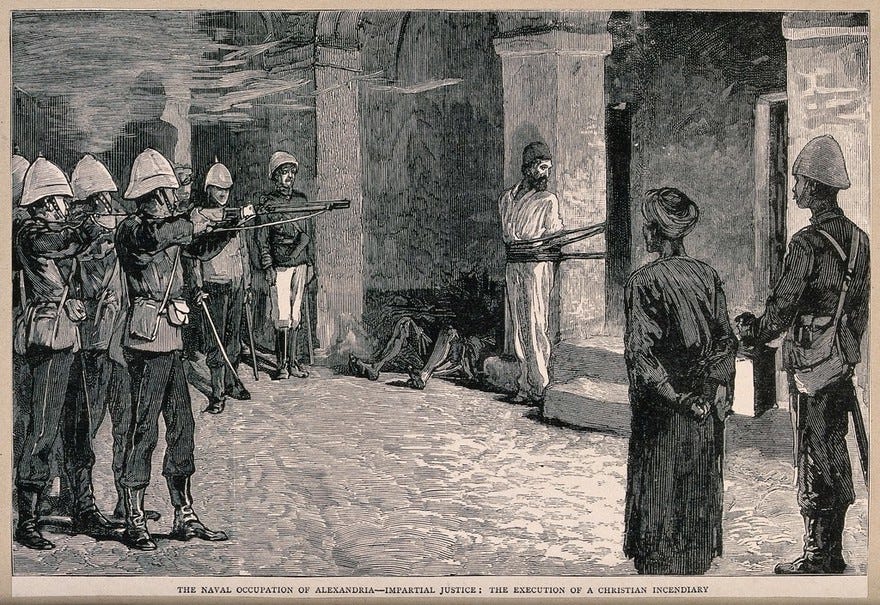
The use of the death penalty in these cases would provide immediate, obvious benefits to all of society. Criminal gangs in prison would be culled in a matter of months. Inner-city violence would all but cease. Nearly every member of Congress would face execution. The problem of illegal immigration would effectively end overnight. There would be a short period of time when criminals would doubt our willingness to carry out these punishments and would continue to act as they do now, i.e. with no regard for society at large or any possible repercussions. They would quickly learn that engaging in this behavior leads to death. For some, even the very real likelihood of this punishment will not be enough, and they will still continue to prey on their neighbors. As I mentioned before, the execution of these incorrigibly vicious types will be a benefit to all of society.
Some populations will be hit harder than others, but this should not dissuade us from carrying out this program. Statistically speaking, Blacks are far more likely to murder than are other groups, Latinos and homosexuals much more likely to sexually abuse minors, Jews far more likely to commit treason. The fact that they will be overrepresented in the ranks of those executed isn’t an indictment of my plan, but rather an indictment of their behavior. The list of capital crimes isn’t long, and in my experience it hasn’t been particularly hard to avoid any of them.
Our civilization is clearly in decline. We have two paths ahead of us: embrace the decline, or change course. There are many things that need to be done in order to accomplish that, but first and foremost we must remove the millstone from about our necks. We must clean up our streets, our schools, our prisons and halls of government. We must cull the herd.
You made your case with one sentence (pun intended) - "Nearly every member of Congress would face execution"
Fantastic. I would add one additional downfall of the 10 year death row waiting period: it gives them multiple chances to get off if the political winds turn, like a president commuting sentences. This is not allowing extra time for new exonerating evidence but waiting to see if some sap lets them go.